Français
 English
The sword song | Mathieu Romano
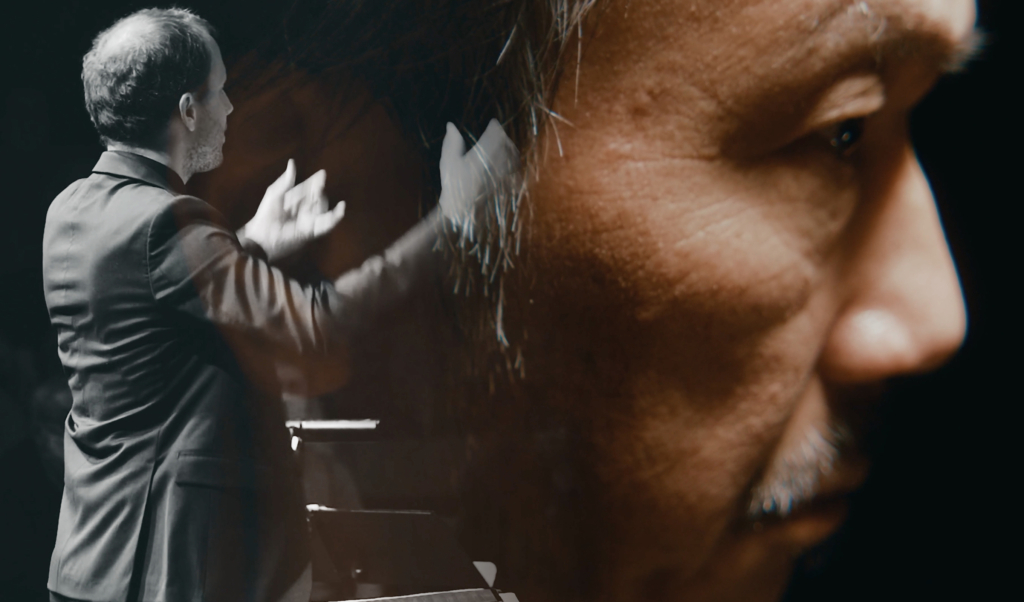
The sword song
Mathieu Romano
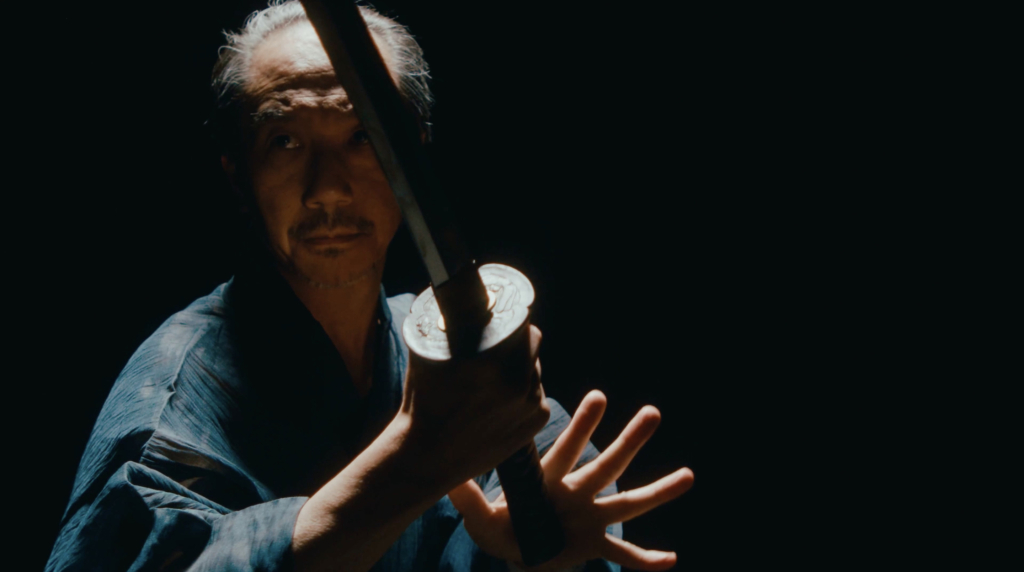
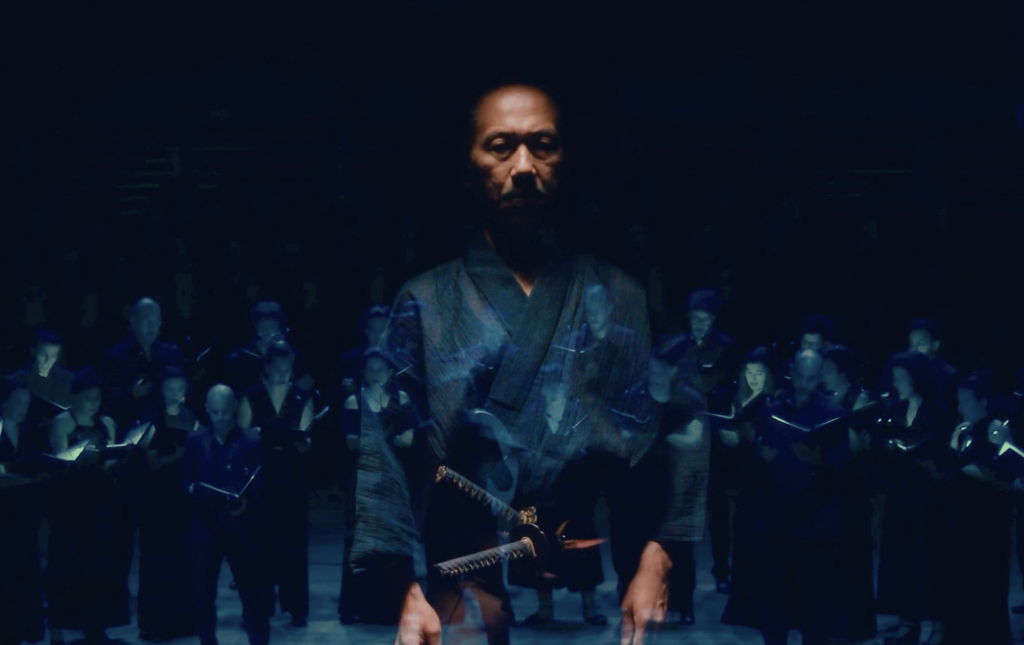
Ever since it was founded, Aedes has consistently expanded its artistic vision to embrace new creations that converse with different musical genres (French chanson, musical theatre, etc.) as well as with other cultures. The ensemble examines how seemingly distant traditions can meet on common ground, bound by a shared desire to communicate stories and human emotions. When I looked into the work of Masato Matsuura, who combines swordsmanship, Noh theatre, and the distinctively raw, gravelly power of utai chant, I immediately noticed fascinating parallels with works belonging to the Western musical repertoire. For instance, Estonian composer Veljo Tormis’s Curse Upon Iron – a “shamanic” piece for choir and drum – mirrors Noh theatre by invoking both the spiritual and the physical voice. This work will be a focal point in the programme, as will the final movement of Schnittke’s Psalms of Repentance. Against this haunting, bocca chiusa (hummed) choral backdrop, Masato Matsuura will display his spectacular mastery of the sword. In doing so, he reveals the sword not as an instrument of destruction or violence, but as a tool of transformation, spiritual awakening, and transition. Matsuura’s movement embodies the Budo concept of Katsujinken (the sword that gives life): when the weapon is used to slice through one’s own ego, fear, and internal chaos, it “severs” the negative, destructive components of the self to “open” and liberate a more enlightened, integrated human being.
The encounter between these two arts gave birth to story.
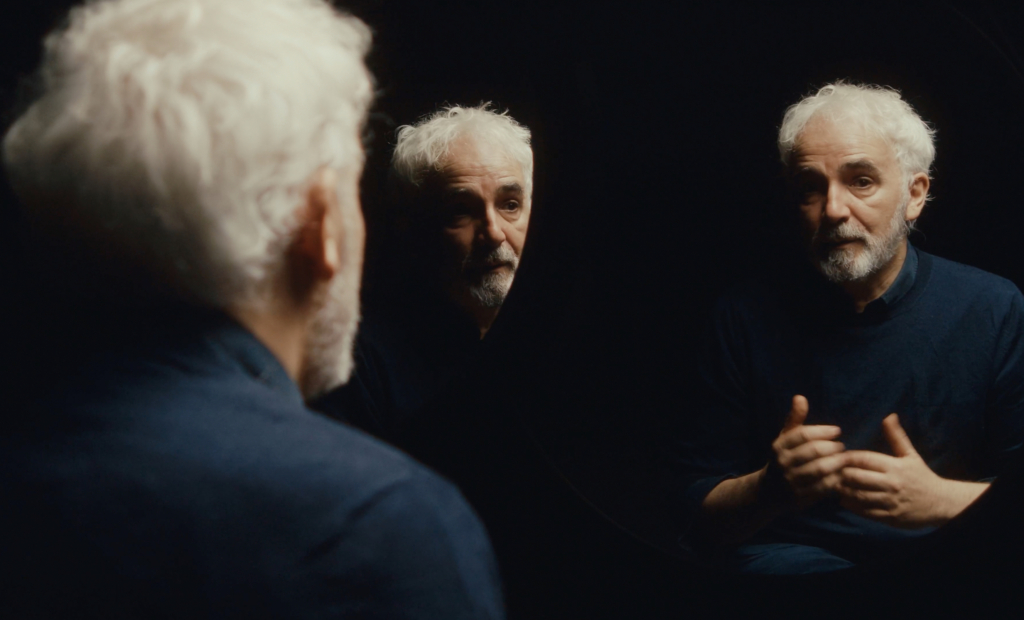
Created in collaboration with director Pier Lamand., this production confronts the relentless pace of modern society, raising crucial existential questions: How do we maintain our connection to others without compromising our own inner rhythm? In other words, how do we navigate the demands of a hyper-connected, fast-paced world without sacrificing our true self to the chaos? And ultimately, how can two entirely distinct cultural traditions – developed thousands of miles apart – step onto the same stage to speak a universal artistic language?
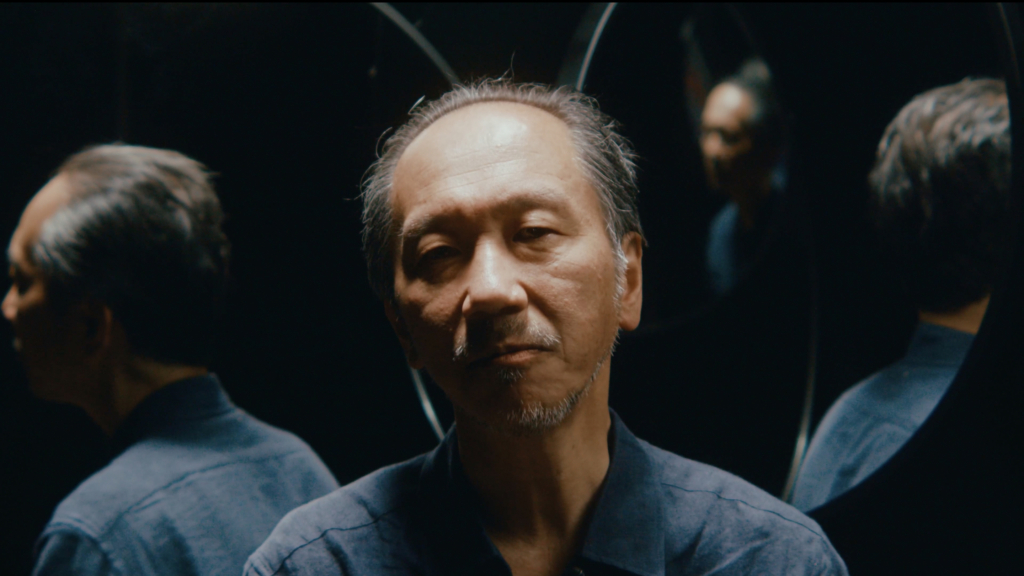
A human community – embodied by the choir – confronts a collective dilemma that forces each individual to make a choice. Masato Matsuura portrays the man who quietly steps back from the world, choosing withdrawal over protest, rupture, or violence. Throughout this musical quest, he will question his very foundations: his inner journey is structured around the Japanese Godai (Five Elements) system: earth, water, fire, wind, and a fifth element, void or emptiness (an empty space waiting to be filled) and fullness (ultimate fulfilment).
Each “act”, dedicated to one of the five elements, provides a platform for an intense and powerful, choral work, while showcasing moments of fusion: the ensemble draws upon the Noh tradition, and guest artist Masato Matsuura becomes part of the choir to perform Western repertoire.
” Two works “
Serving as the narrative thread for this journey, two works accompany Masato on his journey: a chorale melody by Hans Leo Hassler (notably adapted by J. S. Bach in his St Matthew Passion) to represent the Western world, and a Sanskrit mantra of Japanese tradition to represent the East. Finally, Aur.lien Dumont’s Kazegaku for vocal ensemble, a Noh actor-singer-sword artist, and two instrumentalists will serve as the modern central pillar of this production, designed to awaken “the music of the elements” and connect the human experience back to nature and the wider world.